
Typical port-to-port planning range. Final delivery and clearance are confirmed separately.
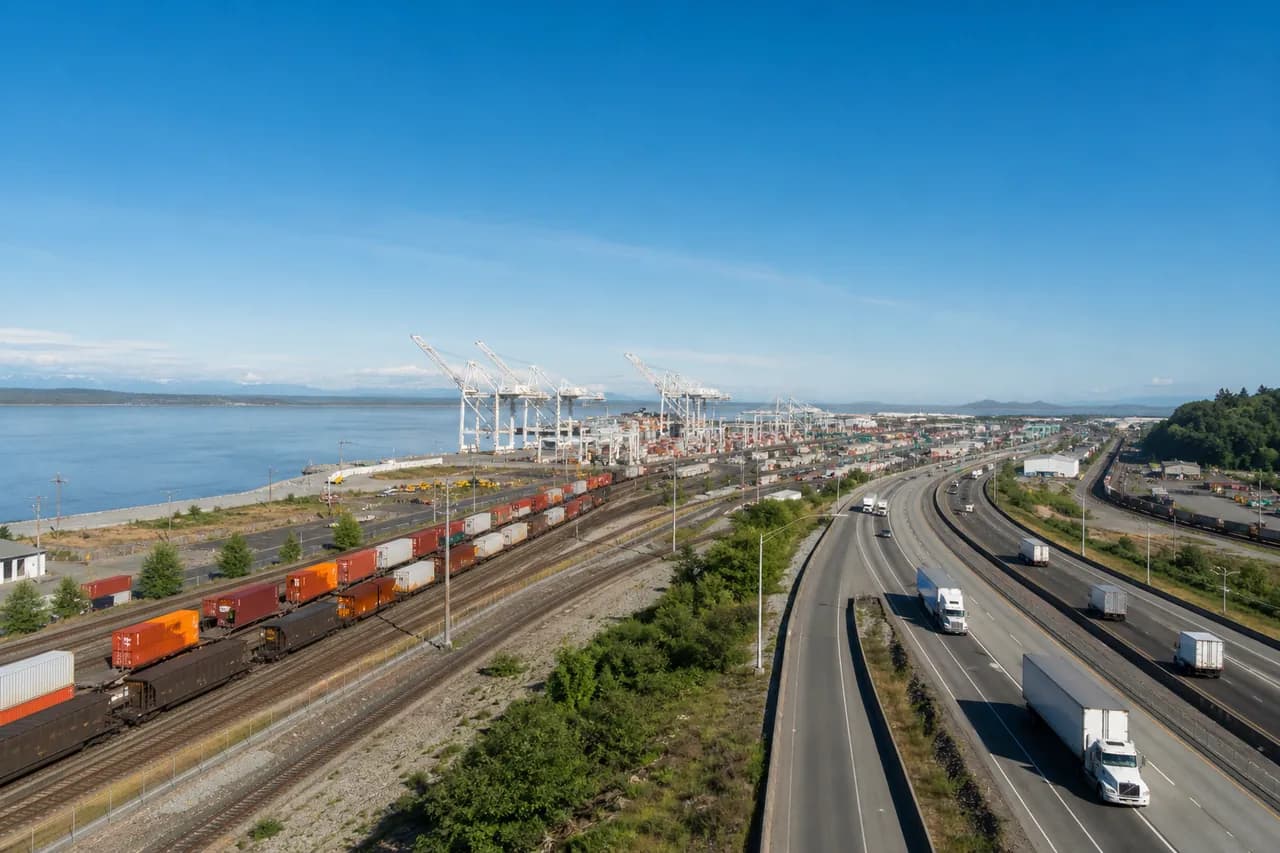
North America trade lane
Shipping from China to Canada
China freight planning into Vancouver, Prince Rupert, Toronto and Canadian fulfillment networks.
Direct answer
How China-to-Canada freight is planned.
China-to-Canada freight can enter through west-coast, eastern or air gateways before customs release and inland delivery. The importing entity, CBSA registration path, broker authority, GST treatment and final fulfillment location should be settled before booking.
Typical airport-to-airport planning range. Final delivery and clearance are confirmed separately.
For eligible smaller shipments. Final delivery and clearance are confirmed separately.
Planning ranges are not guarantees and can change with carrier schedules, season, cargo readiness, customs and delivery appointments.
Pre-booking controls
Resolve the route-specific risks before departure.
Record the owner, evidence and cutoff for every item. Reopen the decision when the cargo, importer or delivery instructions change.
- Confirm the Canadian importer registration and broker authority
- Check tariff classification, valuation, origin and GST treatment
- Compare west-coast inland movement with direct eastern services
- Plan FBA or 3PL references and winter-weather buffer where relevant
Primary gateways
Port, airport and inland options.
The best gateway depends on the supplier location, carrier schedule, final delivery point and cargo characteristics.
- Vancouver
- Prince Rupert
- Montreal
- Toronto Pearson
- Vancouver YVR
Customs responsibility
The importer should have a Canada Revenue Agency business number and import/export account, or complete the current CBSA registration process applicable to the business. A customs broker can submit the entry but does not replace importer responsibility.
Tax and compliance
GST, duties, tariff classification, valuation and any product-specific requirements should be confirmed against current CBSA and Canadian agency guidance.
Last-mile delivery
Rail and truck connections can move released cargo from west-coast ports to inland fulfillment centers. Appointments and winter-weather buffers should be planned where relevant.
Quote readiness
Send a complete, comparable shipment brief.
- Chinese pickup address and supplier contact
- Destination country, city, postcode or FBA warehouse code
- Commodity, intended use, value and HS code if known
- Carton count, finished dimensions, gross weight and volume
- Incoterm, cargo-ready date and required delivery date
- Battery, liquid, powder, magnet, wood or oversized-cargo flags
Common cargo
Suitable cargo still requires a commodity check.
- FBA inventory
- Retail inventory
- Consumer products
- Apparel
- Commercial goods
Official references
Verify rules at the source before booking.
References were checked on 2026-07-24. Government and marketplace requirements can change.
Related guidance
Continue the Canada shipment plan.
Route questions
Before you book China to Canada freight.
Can US inventory be sent onward into Canada?+
It can, but it becomes a separate cross-border movement with Canadian importer, customs, tax and delivery requirements. Direct routing from China may be cleaner for planned Canadian stock.
What information is needed for a Canada quote?+
Provide pickup location, destination postal code or FBA code, carton count, dimensions, weight, commodity, value, Incoterm and ready date.
Does the quoted range include customs?+
Only when the quote expressly states a door-to-door range. Port-to-port and airport-to-airport ranges exclude customs release and final delivery time.
China freight planning into Vancouver, Prince Rupert, Toronto and Canadian fulfillment networks.
Primary gateways
- Vancouver
- Prince Rupert
- Montreal
- Toronto Pearson
- Vancouver YVR
Customs responsibility
The importer should have a Canada Revenue Agency business number and import/export account, or complete the current CBSA registration process applicable to the business. A customs broker can submit the entry but does not replace importer responsibility.
Compliance reminder
GST, duties, tariff classification, valuation and any product-specific requirements should be confirmed against current CBSA and Canadian agency guidance.
Start with the shipment facts
Build a China to Canada plan around your cargo and deadline.
A logistics specialist will review the route, cargo and deadline and respond within 24 hours.
Get a shipping plan